

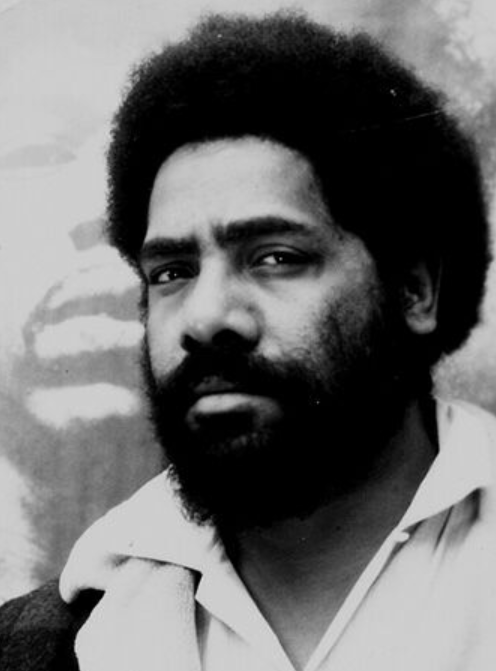
Robert Maza – Biography, Early Life, Career, Family, Net Worth. Robert Maza was born on 27 November 1939 on Palm Island in Queensland, Australia. He grew up during a time when opportunities for Indigenous Australians were severely limited, yet he went on to build a career that opened doors for others in the entertainment industry. His work in film, theatre, activism, and cultural representation made him a respected figure both within and beyond Australia.
Early Life
Robert Maza was of Aboriginal and Torres Strait Islander heritage, born into a family deeply connected to culture and community. Growing up on Palm Island meant facing social and economic challenges, but it also shaped his understanding of identity and the need for representation. Very little has been publicly documented about his parents, but his upbringing played a strong role in his later activism and creativity.
As a young man, he worked several jobs before finding his way toward writing, acting, and public advocacy. His early life experiences became the backbone of his storytelling.
Read also: simon hickson biography, wikipedia
| Full Name | Robert Maza |
|---|---|
| Date of Birth | 27 November 1939 |
| Date of Death | 2000 |
| Age (at death) | 60 |
| Place of Birth | Palm Island, Queensland, Australia |
| Nationality | Australian |
| Ethnicity | Aboriginal and Torres Strait Islander |
| Religion | Not publicly recorded |
| Occupation | Actor, Writer, Activist, Theatre Leader |
| Years Active | Late 1960s – 2000 |
| Known For | Advancing Indigenous representation in Australian theatre and film; founding work with the National Black Theatre; roles in film and TV |
| Notable Works |
|
| Education | Not publicly available |
| Family | Spouse: Mary Maza Children: Rachel Maza (daughter), Lisa Maza (daughter) |
| Net Worth (Estimated) | Approximately $100,000 – $300,000 (estimate based on era and public records) |
| Awards & Recognitions | Industry and community recognition for theatre leadership and cultural advocacy; awards in his name honor Indigenous artists |
| Controversies | No major public controversies recorded |
| Social Media | None (deceased before the social media era); legacy documented through articles and tributes |
| Residence | Australia (associated with Redfern and national theatre communities) |
| Public Image | Respected cultural figure and advocate who helped open doors for Indigenous storytellers |
Career
Acting and Theatre Work
Robert Maza entered the entertainment world in the late 1960s and made a strong impression for his acting ability and grounded presence. He became one of the first Indigenous Australian performers to gain national recognition.
Some of his well-known film and television appearances include:
-
The Chant of Jimmie Blacksmith (1978)
-
The Fringe Dwellers (1986)
-
Heartland
-
Woman of the Sun
-
BabaKiueria
He was not only an actor but also a writer and creator. Maza helped introduce Indigenous stories to wider audiences at a time when they were largely absent from mainstream media.
Founding Indigenous Theatre
One of his lasting contributions was his work with the National Black Theatre in Redfern, where he was central in developing Indigenous Australian performance art. He helped create platforms for young Aboriginal actors, writers, and directors who would go on to shape the country’s cultural future.
Cultural Activism
Alongside his creative work, Robert Maza served on national committees, represented Indigenous Australians at international forums, and pushed for cultural visibility in the arts. He spoke out about inequality, representation, and the need for Australia to recognise its First Nations communities.
Occupation
-
Actor
-
Writer
-
Activist
-
Theatre figure
-
Cultural advocate
Personal Life
Age & Date of Birth
-
Born 27 November 1939
-
Passed away in 2000 at age 60
Nationality
-
Australian
Ethnicity
-
Aboriginal and Torres Strait Islander
Religion
Not publicly recorded.
Family, Wife, Children
Robert Maza was married to Mary Maza.
They had two daughters:
-
Rachel Maza, a noted actor and theatre director
-
Lisa Maza, also active in theatre and the arts
His family continues to contribute to Indigenous storytelling.
Height & Weight
No verified public information exists regarding his height or weight.
Popularity and Legacy
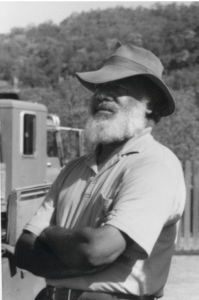
Robert Maza’s popularity grew from his honesty, cultural pride, and ability to portray real stories. His work didn’t rely on trends; instead, it earned respect because he stood for something meaningful. Many Indigenous actors today reference him as someone who cleared the path for them.
The Maza Awards, established in his honour, recognise Indigenous artists and keep his name connected to creative progress.
Awards and Recognitions
Although full award lists are not widely recorded, he received recognition for:
-
His leadership in Indigenous theatre
-
His contributions to film and television
-
His advocacy work internationally
-
Honours that continue through awards named after him
His influence is still felt in major theatre companies and community programs that credit him for strengthening Indigenous voices.
Net Worth
Because Robert Maza worked during a period when Indigenous artists were paid far below industry standards, his net worth was modest. Publicly available estimates place it around $100,000 – $300,000 during his lifetime, though this is based on general income ranges for Australian actors of his era.
Controversies
Robert Maza had no major controversies tied to his name. He was known for speaking up about inequality, but this was advocacy rather than scandal. His reputation remains positive.
Social Media
Robert Maza passed away before the rise of social media, so he has no official social media accounts. His legacy lives on through online tributes, articles, and the continued work of his daughters.
FAQs
1. Who was Robert Maza?
He was an Indigenous Australian actor, writer, and activist known for pioneering Aboriginal representation in film and theatre.
2. When was he born?
He was born on 27 November 1939.
3. Did he have children?
Yes, he had two daughters: Rachel and Lisa, both known in the arts.
4. What was he known for?
His work in theatre, activism, and major Australian films like The Chant of Jimmie Blacksmith.
5. Did he win any awards?
He received industry recognition, and awards named after him continue to honour Indigenous artists.
also read: commatoze wikipedia, biography
Conclusion
Robert Maza lived a life shaped by courage, creativity, and a desire to give Indigenous Australians the space they deserved in the arts. From Palm Island to national and international arenas, he carried his culture with pride and used his voice to shift expectations. His daughters continue his legacy, and the awards in his name reflect the lasting impact he left behind. Though he passed away in 2000, his work remains part of Australia’s cultural foundation, proving how much one person can influence future generations.