

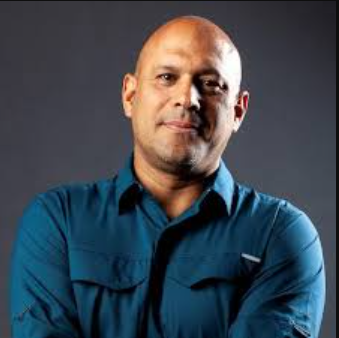
Santiago Uribe Vélez (born 1957 in Medellín, Colombia) is a Colombian rancher and landowner whose name has been tied for many years to investigations surrounding paramilitary activity in northern Antioquia. In November 2025, he was sentenced to 28 years and 4 months in prison after a long judicial process connected to accusations involving the paramilitary group known as Los 12 Apóstoles (The 12 Apostles). His case is one of the most publicly followed legal battles in Colombia due to the political and social context surrounding it.
| Full Name | Santiago Uribe Vélez |
|---|---|
| Date of Birth | 1957 |
| Age | Approximately 68 (as of 2025) |
| Place of Birth | Medellín, Antioquia, Colombia |
| Nationality | Colombian |
| Occupation | Rancher / Agricultural businessman |
| Known For | Role in investigations and 2025 conviction related to the paramilitary group “Los 12 Apóstoles” |
| Education | Not publicly documented |
| Family / Notable Relatives | Member of the Uribe Vélez family; brother Álvaro Uribe Vélez (former President of Colombia) |
| Marital Status | Not publicly disclosed |
| Children | Not publicly disclosed |
| Residence | Antioquia region, Colombia |
| Ethnicity | Antioquian / Colombian (mestizo) |
| Religion | Not publicly disclosed (commonly Roman Catholic cultural background) |
| Height / Weight | Not publicly available |
| Net Worth | Not publicly verified (primarily known for landholdings and ranching) |
| Controversies | Convicted in 2025 for crimes linked to “Los 12 Apóstoles”; conviction under appeal |
| Social Media | No prominent personal social media presence |
| Public Image | Divisive figure: viewed by critics as implicated in paramilitary violence and by some supporters as politically targeted |
Read also: Julieta Fazzari Wikipedia — Biography, Early Life, Career, Personal Life, Net Worth & More
Early Life and Background
Santiago grew up in an influential Antioquian family. He is one of several siblings, and his brother, Álvaro Uribe Vélez, served as the President of Colombia from 2002 to 2010. Raised in a traditional rural environment, Santiago eventually built his life around agriculture and cattle ranching. His properties in the region of Yarumal became widely known over the years, not only for cattle activity but later for the investigations that unfolded around them.
His early life was shaped by the culture of the Antioquian highlands—conservative values, rural work, and close connections to local communities. These roots would later become central to how prosecutors interpreted his relationship with local security networks during the years when paramilitary groups operated heavily in the region.
Career and Occupation
Santiago Uribe spent most of his professional life as a rancher and agricultural businessman. His economic activities centered on livestock, land management, and rural development. For years, he maintained a reputation as a strong local figure in agricultural circles.
His name, however, increasingly appeared in public discussions not because of agriculture but because of allegations involving Los 12 Apóstoles, which authorities described as a clandestine group that operated as a “social cleansing” organization in the early 1990s. For many years, Santiago insisted he had no involvement in illegal groups, maintaining that he was a victim of false testimony.
Legal Case, Allegations, and Conviction
The investigations against Santiago lasted more than two decades. Prosecutors indicated that he had allegedly helped organize or support Los 12 Apóstoles, a group linked to targeted killings, disappearances, and coordinated acts of violence in northern Antioquia. Former members of security forces, including ex-police officers, gave key testimony throughout the process.
In 2024, Santiago was initially acquitted, but the decision was later appealed.
In November 2025, the Superior Court of Antioquia overturned the earlier ruling and convicted him, sentencing him to 28 years and 4 months in prison. The court attributed responsibility to him for acts associated with the group’s operations. Following the ruling, his defense team announced plans to appeal the decision.
The conviction became a major national topic, both because of the gravity of the crimes involved and because of the family ties to former President Álvaro Uribe. Supporters of Santiago described the case as politically motivated, while critics viewed it as a long-delayed act of accountability during Colombia’s efforts to confront past violence.
Family and Personal Life
Santiago belongs to a large and well-known Antioquian family. Public information about his private life is limited, as he has always maintained a low profile outside of legal matters and agriculture. Details about his marital status, children, and daily personal life have never been openly publicized.
Despite being at the center of public attention for years, Santiago generally avoided media interviews and preferred letting legal representatives speak on his behalf.
Ethnicity, Religion, and Nationality
-
Nationality: Colombian
-
Ethnicity: Antioquian Mestizo heritage
-
Religion: Generally associated with Roman Catholic upbringing, common in his region, though he has not discussed his beliefs publicly.
Height, Weight, and Physical Appearance
Publicly verified physical details such as height and weight are not available. Santiago has stayed out of the public eye for most of his life, except for courtroom appearances.
Net Worth
No official public documents confirm Santiago Uribe’s net worth.
However, it is known that his wealth comes primarily from:
-
Ranching
-
Agricultural production
-
Landholdings in northern Antioquia
Any unofficial estimates vary widely and lack verification.
Popularity and Public Perception
Santiago’s public image is intertwined with Colombia’s political history and the country’s struggle to confront paramilitary violence. His case has divided public opinion:
-
Supporters argue that he is a victim of politicized justice.
-
Critics view his conviction as part of a necessary process of accountability.
Regardless of political views, his legal case continues to be a reference point in conversations about justice, power, and violence in Colombia.
Social Media Presence
Santiago Uribe does not maintain public social media accounts.
Any public statements linked to him generally come from:
-
His lawyers
-
Family members
-
Public court documents
-
News statements from related political figures
Controversies
The primary controversy surrounding Santiago is the criminal case and the long-standing allegations that tied him to a paramilitary group accused of extrajudicial killings. There are no other major scandals linked to him aside from this central issue.
Read also: Horacio Vogelfang Wikipedia — Biography, Early Life, Career, Personal Life, Net Worth, FAQs & More
FAQs
1. Who is Santiago Uribe?
He is a Colombian rancher born in 1957, known for being part of the Uribe Vélez family and for facing a major criminal trial related to paramilitary activity.
2. What was he convicted of?
He was sentenced in 2025 for crimes connected to the paramilitary group Los 12 Apóstoles.
3. Is the conviction final?
No. His legal team has stated they will appeal.
4. What does he do for a living?
He worked as a rancher and agricultural businessman.
5. Does he use social media?
No, he has no public social profiles.
Conclusion
Santiago Uribe Vélez’s story is deeply connected to Colombia’s political and social history. Born in 1957 and raised in a powerful Antioquian family, his life as a rancher took a dramatic turn when he became the subject of one of the country’s longest-running legal investigations. His 2025 conviction remains under appeal, but regardless of future decisions, the case has already shaped public conversation about justice, accountability, and the lasting impact of Colombia’s internal conflict.